
I’m an incongruity – get me out of here!
Lucy Beney
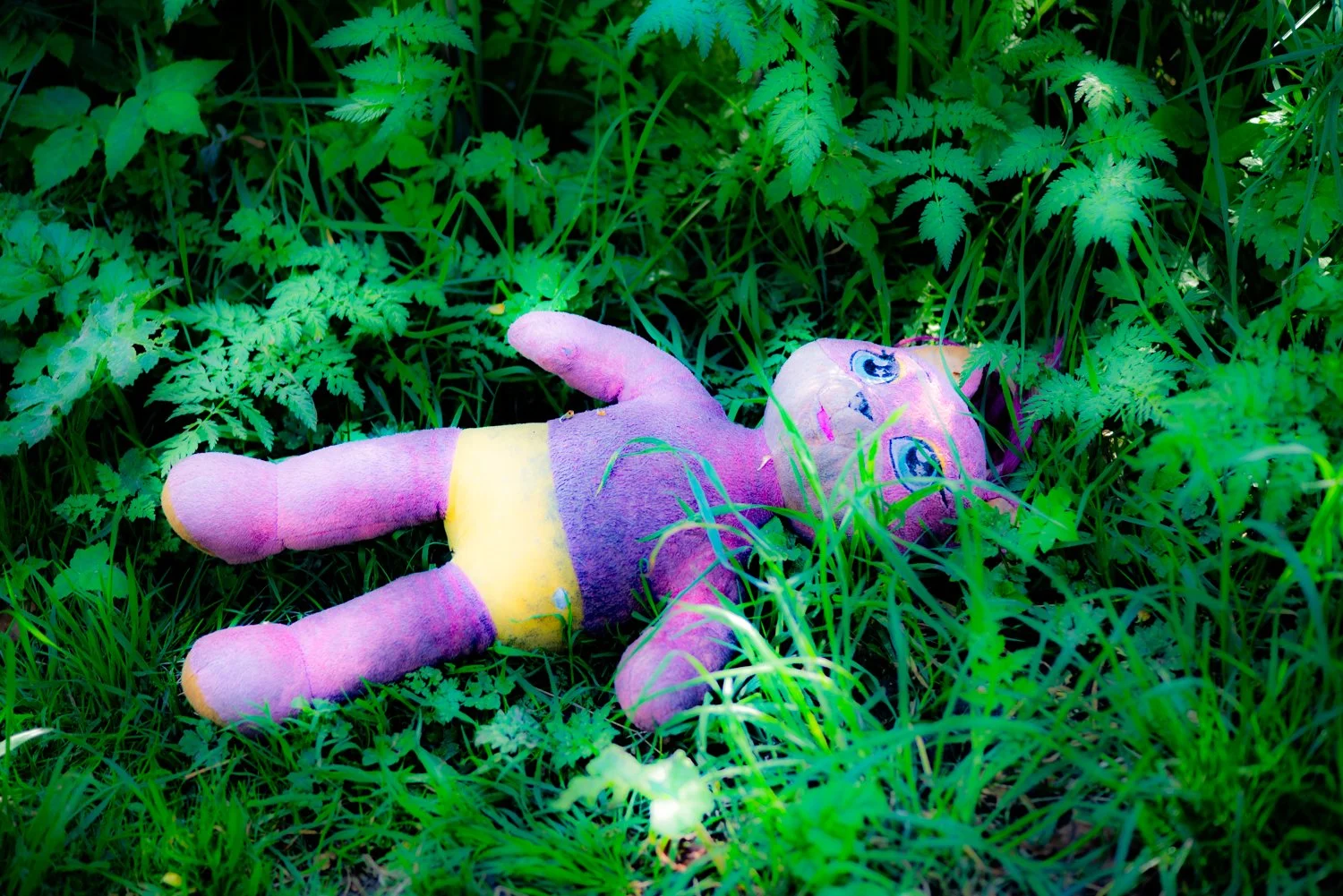
Photo © Photage.Co
When the body is all that matters, alleviating distress too often leads to disguising, damaging and disowning it.
No Pain, No Gain
Self-harm, intentional or otherwise, is nothing new.
For as long as there have been human beings, human bodies have been tested to the limit. The history books are filled with accounts of astonishing feats of endurance, undertaken both by choice and necessity. Equally, mankind seemingly has an infinite imagination when it comes to devising gruesome forms of punishment and torture to inflict on others, and indeed on the self.
Human bodies suffer, on the one hand, from the seemingly irresistible temptation to try to surpass all natural limitations; and on the other hand, from a deeply ingrained need to find salvation through suffering.
Today, both enduring endeavours take on a new dimension, primarily because of profound changes in both technology and society. The result, for young people, can be deeply damaging.
A Fantasy Ideal
The internet and social media now offer an endless menu of extreme behaviour to be admired or emulated. What is possible – desirable, even – in terms of body modification is also being taken to a whole new level.
At the same time, more and more young people feel that somehow they ‘fall short’ of some kind of fantasy ideal. They feel ‘different’ from everyone around them and equate this with being in some way ‘defective’. Evidence of this can be seen in rocketing demand for the ‘diagnosis’ of developmental disorders, and in the anxiety and depression underpinning the ‘mental health crisis’.
These two imperatives of human behaviour – performance and punishment – collide in the growing desires of so many to disguise, damage or disown the body.
To compound the danger, while the ‘material’ is regarded as all that matters, young people are increasingly immersing themselves in a world where very little is, in fact, materially real. The relevance of the intellectual, the spiritual and the moral have been relegated, just when those guardrails are most needed. Objective truth is sidelined in favour of ‘my truth’. Language is twisted, often to mean the very opposite of what was intended. This dissonance is deafening a generation.
She’s Got the Look
Take at a look at a school photograph from several decades ago. Of course, the prevailing fashion from the time will be evident – not least in the haircuts – but focus on the faces and the expressions of the young people. Lined up facing the camera are individuals who, for the most part, had a far greater understanding of what ‘diversity’ means, than anyone in a modern Human Resources department.
While there may have been more cultural conformity in the past – everyone listened to the Top 40 singles chart on Sunday afternoons, bedroom walls were bedecked with many of the same posters, and three television channels offered limited viewing options – at some fundamental level, nobody expected others to be like them, to think like them and to look like them.
Different groups had different interests, of course, with their own currency of membership. A primitive form of what we now call ‘social contagion’ took hold from time to time. However, there was no existential threat involved in being different.
This change was brought home to me most starkly, while reading about a tragic car accident in which a number of young women were killed. Looking at their faces in the news, I was struck by how similar – and entirely unnatural – they all looked. Long, straight hair parted in the middle; feline, heavily made-up eyes, with a vacant stare; and larger-than-life lips, caught somewhere between pout and protest. Whether they had used filters or photo-shop, make-up or ‘tweakments’, they had all carefully cultivated same ‘look’.
‘Looksmaxxing’ has now spread to young men too. ‘Influencer’ Braden Peters, better known as Clavicular, has described how “he swears by bone-smashing: hitting oneself in the face with either a fist or a hammer in an effort to increase jawbone definition”. He invites others to follow his lead, “to surpass genetic potential”[1].
Glowing Up
In February 2026, the Women and Equalities Committee of the UK House of Commons produced a report into cosmetic procedures[2]. It makes eye-opening reading. It seems that many people are so desperate to alter their appearance, that they are prepared to undergo a range of invasive procedures at the hands of unregulated practitioners, in “AirBnBs, hotel rooms, garden sheds and public toilets”, without first undertaking any due diligence. To put it bluntly, there are growing numbers of people willing to risk their lives and health, just to acquire a large backside or ‘trout pout’.
Ashton Collins is Director of Save Face, an organisation set up to hold a register of trusted aesthetic – and hopefully, ethical – practitioners. She told the committee that young women see cosmetic procedures “as an extension of their beauty regime, like getting your hair or your nails done. They do not have any medical association at all, and so that group are vulnerable to being exploited into thinking that this is a transactional-type treatment”.
Note the use of the word ‘transactional’. So much in the lives of children and young people is now purely transactional, and this includes their attitudes to body modification. This is ‘pay and display’ at its most reductive. After all, why would there be any other consideration when all that matters is the material and the superficial? If the ‘material’ is sub-optimal, there is no option other than upgrading it. The question is – what do they expect to achieve? It cannot possibly be anything of lasting value.
The report highlights the link between body image and self-esteem. It then, shockingly, cites a survey which found that 36% of young people agreed that they would do “whatever it took” to look good. Meanwhile, separate research carried out by Girl Guiding in 2024 discovered that almost half of 17–21-year-olds would “consider altering their appearance through cosmetic procedures within the next twenty years”. It is important to remember that these young people were not born with birth abnormalities, neither have they suffered disfiguring accidents, or been ravaged by disease – they are ordinary young people.
Rather than ask what might be leading so many young people to have such low self-esteem and feel the need to go under the knife or needle, it seems that the first reflex of the powers-that-be is further control and regulation, coupled with yet more education and ‘awareness’ campaigns.
Nobody is talking to young people about the cultivation of character and meaning in children’s lives. Instead, the solution is seen in “evidence-based body image and social media literacy programmes” to be delivered in schools. For reasons that are not at all clear, Dr Ruth Holliday, Professor of Gender and Culture at University of Leeds told the committee that this would be easy to achieve but “will have to be done by expert people who really know what they are doing in that educational setting”.
A clear pattern is emerging here, and can be seen across policy, whether the issue is violence against women and girls, social media, pornography or now cosmetic procedures. Instead of taking the responsible adult role and setting out stark choices and their consequences, educational programmes, delivered by specially-trained ‘experts’, are to take up yet more curriculum time – time which would be far better spent on stimulating minds and imagination and inculcating a love of learning, which might actually offer young people something to think about, other than themselves, and leave them with ideas and interests of lasting value.
Concerned that growing numbers of young people are travelling abroad for ‘treatment’, some of which cannot legally be undertaken in the UK, the government partnered with TikTok last year, to “create content with medical influencers to educate people on the potential risks of cosmetic tourism and how to make trips as safe as possible”. Nobody is saying, “Why would you do that? Don’t be an idiot”. The urge to be ‘non-judgemental’ now endangers those whom safeguarding was designed to protect.
Piercings and Paint Work
While some young people gamble on a ‘glow up’ and regard this a sure-fire route to happiness and acceptance, others travel in the opposite direction.
It is increasingly common to see people of all ages with multiple piercings and extensive ‘body art’ – or tattoos – in some cases, covering most of the body. The point at which this tips from self-expression into self-harm is debatable, but there is little doubt that not all of this happens for purely decorative purposes. A paper published in 2007 noted that “tattoos and piercings serve as a means of communication as they are an outward expression of something felt inwardly”. That being the case, and given the extreme nature of some of this body modification, perhaps it is time to be a little more curious about what is happening in the lives of these individuals.
Research undertaken in Germany in 2022 examined the association of childhood abuse and neglect with tattoos and piercings[3]. Not only did those with tattoos and piercings report lower levels of self-esteem than those without body modifications, these modifications were found to be “more common among individuals with personality disorders and pathological behaviors such as non-suicidal self-injury (NSSI)”.
This study, which was conducted from a random sample in the general population, also found “consistent associations of abuse and neglect and the presence of body modifications. Not only were tattoos and piercing more common among those who reported any kind of childhood adversity, their prevalence rates also increased with greater severity of all kinds of abuse and neglect”. The researchers found the association “remarkable”, given the growing popularity of tattoos and piercings among younger people. A connection was also found between sexual abuse and intimate piercings.
Among people with whom I have worked, there have been many and varied reasons for getting tattoos or piercings. Some are acquired ‘to fit in’. Sometimes a friendship group, or sports team will all have the same image inked on to their skin, to commemorate something special. Others, interestingly, appear as the physical manifestation of overwhelming emotion, often connected to love, birth and death – almost as proof, in this fleeting social media age, that this cataclysmic event actually happened and was deeply felt.
Then there are those who need to feel the pain. I once asked a young man if having his entire torso tattooed had hurt, and I clearly remember the heavy silence which hung in the room after he looked me in the eye and said, “Yes. That’s the whole point”. I met a girl who had her tongue pierced, so “I can make it hurt, when I need it to”. These are two of many who believe that the childhood adversity they suffered must somehow be related to a deep-seated deficiency in themselves, and the pain that causes them must somehow be made manifest in moments of crisis.
Increasingly, excessive tattoos and piercings offer tribal allegiance for the lonely; a crude canvas behind which those lacking in self-worth can hide; and an apparently socially acceptable way to process emotional hurt through physical pain. Above all, they are a cry for help from the suffering, which needs to be addressed – not always a fashion choice. It is therefore no surprise that the German study concludes with a suggestion that tattoos and piercings could “provide an impetus for therapeutic conversations about the significance of past experiences and about currently important themes”.
‘Meat Lego’
For the uninitiated, ‘Meat Lego’ is a term coined by writer and commentator Mary Harrington, to describe how many people now see the human body as infinitely malleable, liberated from biological constraints and reduced to a collection of exchangeable and replaceable parts.
This is, of course, the ultimate fantasy of many young people – to ‘build’ themselves in real life, through a kind of biological pick’n’mix, just as they create avatars and produce AI-generated images. This new iteration of eugenics rests not so much on wishing to change other people, or produce a master race – yet – but to gain complete mastery over the appearance and function of individual bodies.
The body modifications and cosmetic procedures described earlier are merely the warm-up act for a bizarre idea which has now taken centre stage, and promises the purest form of escape from reality. This is the belief that it is possible to be “born in the wrong body”. The integrity and unity of body, mind and spirit is rejected in favour of a belief in the existence of a separate ‘gendered soul’ – which, despite its apparent disconnection from the body, demands that the body be aligned in accordance with its wishes.
This idea – the cornerstone of gender ideology – is particularly attractive, and pernicious, to young people who feel ‘different’ for some reason and worry about not ‘fitting in’. The gender non-conforming are particularly at risk from a movement which has reinvented strict sex stereotypes and offers the lonely a ready-made, sparkly ‘community’ of others who are equally distressed and confused.
Important and alarming as they are, this is not the place to dwell on the sexually predatory aspects of gender ideology, or the deliberate narrowing of the tram lines of ‘normal’, which leave so many ordinary children vulnerable to outlandish explanations of why they might be different.
Most wicked is the seductive suggestion that complex emotional difficulties will be resolved through the adoption a new identity label which – in exchange for the acceptance of a new ‘glitter family’ – calls not just for penance and renunciation of the past, but for significant physical, mental and emotional sacrifice.
This is ‘meat lego’ at its most extreme – the lie that anyone can be whatever they want to be, with the right Dr Frankenstein in charge. The lifelong medical dependence, the sterility, the loss of sexual function – let alone radical surgery, prone to both infection and failure – are kept carefully under wraps.
The Road to Salvation
Ironically, just when the material is all that matters, and the spiritual is discarded, an age-old pattern emerges. This is the distorted reflection of the deeply Christian idea of salvation through suffering. Whether it is punishment to be inflicted on the body to force compliance with fleeting ideals of beauty, or penance for the sins of ourselves or others, or a form of escape from the sexed body via the ‘gendered soul’ – the aim is the same. Somehow to move from darkness to light.
Earlier this month, in an essay in First Things entitled, “Eugenics as Self-Loathing”, Colin Redemer, an American academic and public intellectual, writes, “There is a particular kind of modern person who, upon encountering the messiness of human life, its sheer ungovernable profusion, and the suffering it entails, recoils not with pity or solidarity but with disgust” [4]. The ordinary reality of life becomes harder to accept, the more agency people expect to have. When it is possible to order anything at the tap of a keyboard, to be fully immersed in a fantasy world for hours at a time, to have absolute control over our personal environment, and to work and play without leaving the bedroom, is that any surprise?
Colin Redemer explains that disgust is more acceptable when disguised in the language of optimisation and improvement, but urges us to listen carefully, because this modern person is “not really saying ‘Humanity could be better’. He is saying ‘I cannot bear what I am’”.
This chimes with my experience, of spending thousands of hours working with hundreds of distressed young people. The underlying and unspoken message is always, ‘I cannot bear what I am’. Referring to ‘looksmaxxing’ Brian Levin, of the Study of Hate and Extremism at California State University, declared that it “is increasingly becoming the means of social engagement for young, angry and alienated people”.
Nothing will change until we once again encourage children to see themselves as intrinsically valuable individuals – body, mind and spirit – with different interests, talents and ideas. They also need the solid foundation of a family from which to grow, to know that they are valued members of that family and an integral part of the wider community.
In her book, Girls, Freya India writes vividly about how divorce has been so normalised, even glamourised, that many children have “been left without the words to say how much it hurts”[5]. When there are no words, it is becoming increasingly obvious that young people will find other means of expressing themselves. Parents need to understand this, and accept the ‘responsibility’ part of the freedom equation.
Without real roots and the space and encouragement to grow their own wings, young people are acutely vulnerable to the fiction and fantasy peddled by those who actively wish them harm, or who continue to wallow in the narrative of victimhood, while continually crying ‘Humanity could be better’.
Finally, much is written about the need to educate children about all of the above. If, however, their intellect is stretched in school and they are given the support and tools to learn, many of these issues will resolve spontaneously. When they can play with ideas, when their curiosity is piqued and the creativity unlocked, comparing faces on social media and spending Saturday afternoon in the tattoo parlour will lose their attraction. As the Latin root of the word suggests, education should indeed lead from the darkness of ignorance to enlightenment.
Above all, the wonderful variety in human beings which is evident in the achievements of the last two thousand years can reassure even the most distressed that they were not ‘born in the wrong body’ in any sense.
There is a place for everyone in the general scheme of things. Nobody needs to flee the jungle – just be properly prepared, and carry the right kit.
[1] Henderson C, Self-mutilation and crystal meth: The ‘Chad mindset’ enticing Maga’s young men, The Telegraph, 12 January 2026.
[2] Women and Equalities Committee, Cosmetic Procedures, House of Commons, 18 February 2026.
[3] Ernst M et al, The association of childhood abuse and neglect with tattoos and piercings in the population: evidence from a representative community survey, BMC Psychology, 22 April 2022.
[4] Redemer C, Eugenics as Self-Loathing, First Things, 5 May 2026.
[5] India, F (2026), Girls, Swift.

Lucy Beney, Save Mental Health’s Correspondent on Child Mental Health.
Lucy, of Thoughtful Therapists is an Integrative Counsellor working in private practice and also a facilitator for the Tuning into Teens parenting programme