
As a professor of social work, I saw how today’s
obsession with victimhood is endangering all of us
Uncontested ideas about power and privilege are being taught
in our universities to explain how society works – and it puts us all at risk
Jane Fenton (as published in the Daily Telegraph 14 May 2026)
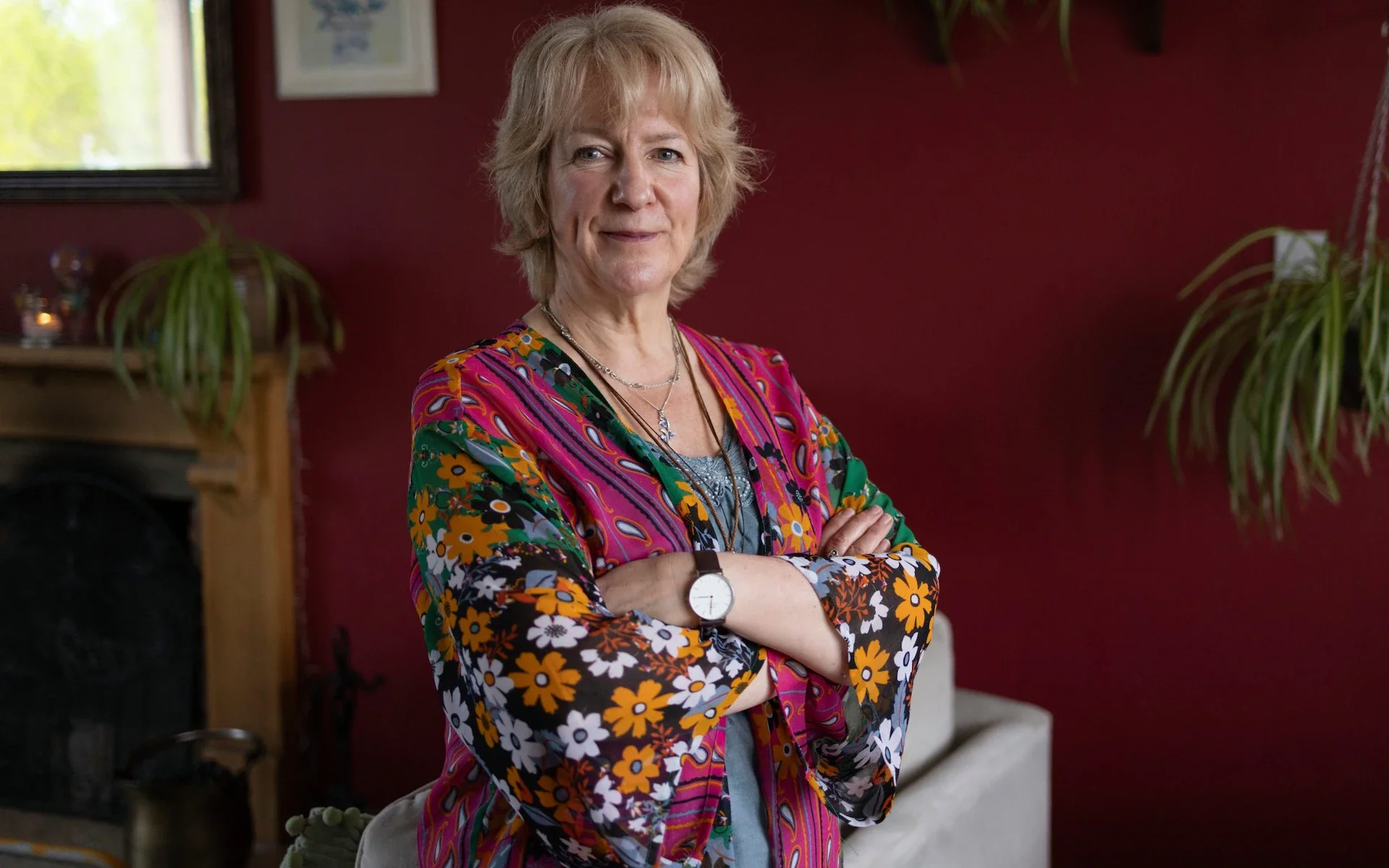
Jane Fenton photographed for The Telegraph at home in Carnoustie, Scotland Credit: Jeremy Sutton-Hibbert
To those who may never need it, social services can be invisible. But social work provides a lifeline to some of the most vulnerable in society: children in abusive homes, people with mental illness, addicts, domestic-abuse sufferers.
Crucially, it also protects the public at large by identifying and intervening in cases where individuals pose a danger to others.
I was a social worker for 13 years in the criminal justice system before spending two decades teaching social work at the University of Dundee, until I retired last year.
I have seen situations where social work has saved lives, but in recent years the profession has become captured by fundamentally political concepts that can rob social workers of their agency and, in some cases, put the population at large at risk.
In the past, social work seminars at university were lively places where students would discuss ideas and different approaches to problems. These are the crucial discussions that shape how the social workers of the future will do their jobs.
But around 2015, things changed – Gen Z began arriving on campus, having spent much of their childhood and adolescence on smartphones chasing “likes”, and in classrooms where ideas (initially developed in the US) about systemic racism, decolonisation, patriarchy and oppression had taken hold.
Now, if you walk into a social work classroom, you’ll often find silence. This is because many students are afraid to depart from the orthodoxy that has permeated both actual social work and the teaching of it: critical social justice theory.
Under this theory, which is seen by many as the only morally acceptable way to approach social work today, society is explained by the power differentials between the oppressed and the oppressor. It is often taught as an all-encompassing truth rather than what it is: a strongly contested way of seeing the world.
At its very core is the power-and-privilege hierarchy. At the top of the hierarchy: straight white men. Everyone else is arranged underneath, depending on their identity, with significant moral status conferred on those who belong to groups in the “victimised” category. If you are a black person, you are oppressed; if you are a woman, you are oppressed. If you are a disabled black woman, you are very oppressed. These are nice, simple calculations to make.
The other key element to the hierarchy is that it is perpetuated – consciously and unconsciously – by the oppressors. Robin DiAngelo, in her book White Fragility, suggests that white people are inescapably complicit in racism, even if they don’t think they are.
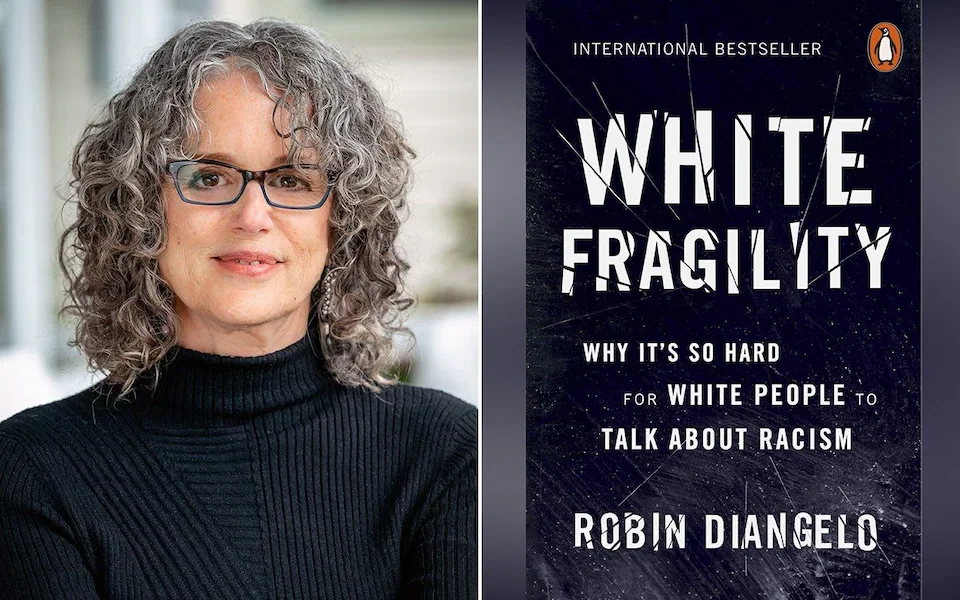
Critical race theorists such as Robin DiAngelo suggest that white people are inescapably complicit in racism
Credit: Stuart Isett
Critical race theorists such as DiAngelo have become mainstream, and are on university reading lists. They insist that all white people are perpetuating the power-and-privilege hierarchy. Similarly, men perpetuate their male privilege.
With the adoption of these ideas, definitions change. Racism is no longer about treating someone differently or unfairly because of the colour of their skin; it is embedded in the very structures in society. Racism is no longer about your actions, you just are racist if you are white. The absorption of this belief easily explains why (particularly white) students fear questioning or debating issues of race.
When a colleague and I researched the impact of this kind of teaching on social work students, we found that two thirds were afraid to talk about tricky subjects for fear of disapproval from other students or “causing harm”. That is the other weapon in the critical social justice activist’s arsenal: the claim that saying anything critical of, or that undermines the ideas in the power-and-privilege hierarchy is causing harm to the oppressed.
When I lectured on philosophical liberalism and the idea of treating people as individuals rather than as members of a group, and having a colour-blind approach to race, many students’ reactions were shock. Some young people had never heard these things before in an educational setting, and were very pleased to hear them being articulated.
And some objected to hearing them. After giving a guest lecture on the liberal principles of 19th-century political theorist John Stuart Mill and contrasting that with social justice theory, I was told that two students later said that I had made them feel “unsafe”. Talking about liberal principles and suggesting there is evidence that challenges the idea that the UK is “structurally racist” – such as ethnic-minority children outperforming their white counterparts at school – caused them “harm”.
All this has horrendous consequences for social work in the real world. Under critical social justice theory, there is pressure to side with the oppressed, listen unquestioningly to their “lived experience” and defer to their presumed moral authority.
But having difficult conversations and saying things that people don’t want to hear or don’t like is the bread and butter of social work – and other professions such as law enforcement, probation, teaching and the health services. Some students and agencies remain really good at doing this, but it is easy to see how speaking honestly and freely, without self-censoring, can be undermined.
The theories of power and privilege and structural racism that public-sector professionals carry around make having the “hard conversation” more difficult for fear of causing “harm”. That creates a horrible perfect storm for inaction.
In the terrible case of Valdo Calocane, who killed Barnaby Webber, Grace O’Malley-Kumar and Ian Coates in Nottingham in 2023, mental health professionals considered the over-representation of black men in detention when deciding whether to detain him following a violent incident in 2020. They will almost certainly have been taught this during their training as an example of “systemic racism” or “unconscious bias”. Professionals in the Calocane case came to the decision not to lock him up. It is not a stretch to see how these notions might be influencing work on the ground – professionals do not want to be implicit in perpetuating oppression or racism.
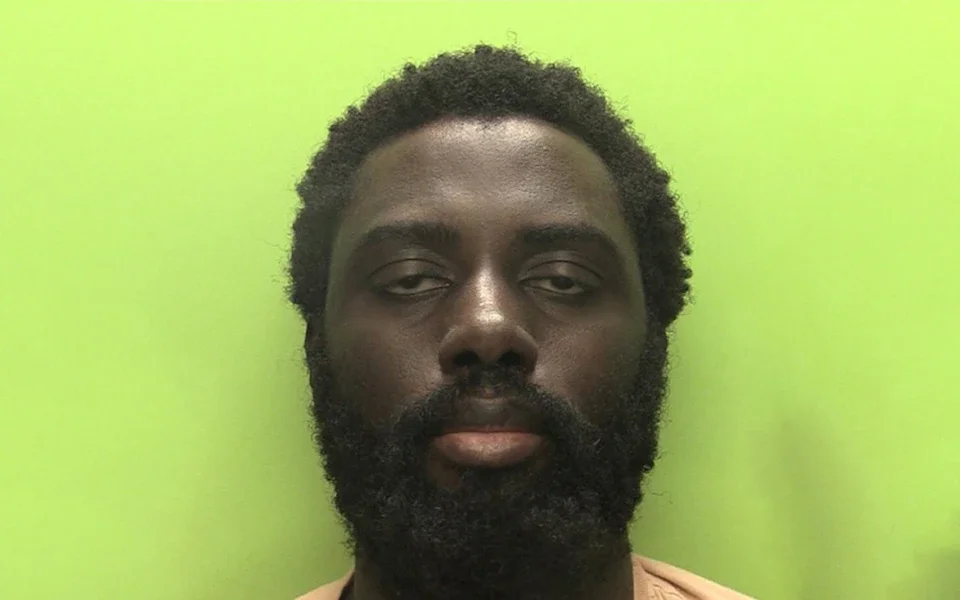
Valdo Calocane killed three students in 2023 Credit: Nottinghamshire Police/PA Media
Theories of the power-and-privilege hierarchy also underpin the idea that able-bodied and neurotypical people are in a privileged position compared with those with even minor disabilities or special needs.
A related problem is that difficult behaviour – whether among children or adults – is now often assumed by social workers to be a result of past trauma. This is called the “trauma-informed” approach.
Axel Rudakubana, who killed three girls at a Taylor Swift-themed dance workshop in Southport in 2024, was known to social services. An inquiry into the horrific case heard that there was a pattern of treating the boy “very generously and being very light touch”. A note from a social worker who visited and tried to speak to Rudakubana, only to be refused a second time, recorded: “Axel has autism and this seems to be how he deals with his emotions.”
Social workers are very quick to diagnose service users with various conditions and to define them through a lens of trauma. The assessment is often “this person is like this and they can’t help it”.
The damage I’ve seen critical social justice theory cause is extensive, and I worry deeply for the next generation of workers. In my 20 years as an academic, I’ve watched standards fall dramatically across universities. At the same time, students are more certain than ever that they know the truth.
Uncontested ideas about power and privilege, oppressed and oppressor, victimhood, trauma and harm have been extended across all disciplines to explain how society works. All this is resulting in a significant number of sub-standard professionals – and it is, shockingly, only going to get worse.
As told to Julie Henry